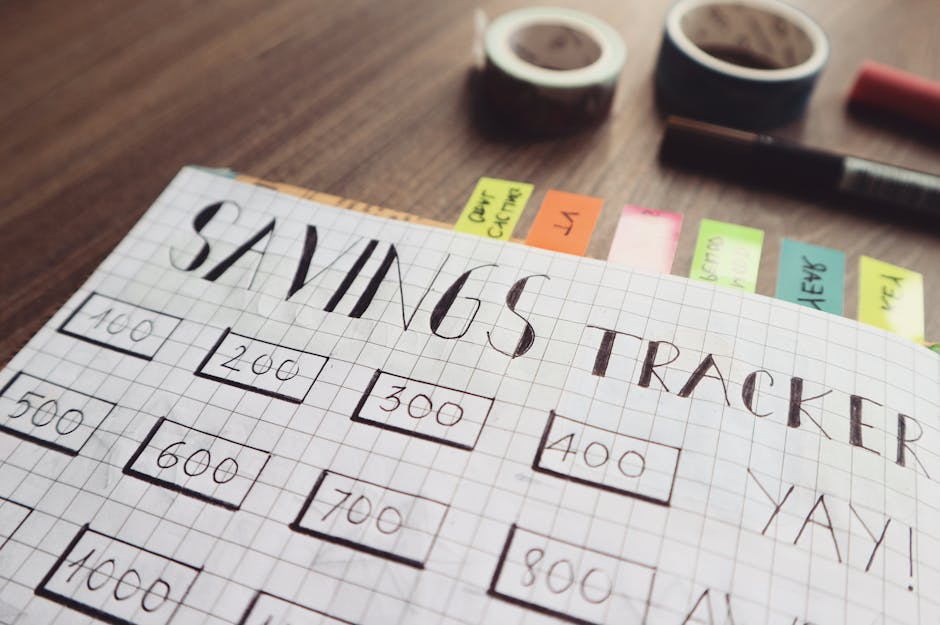
Managing your finances effectively is crucial, especially in a dynamic economy like Nigeria's. Whether you're a student, an entrepreneur, or a salaried worker, understanding the art of budgeting can significantly impact your financial health. In this guide, we'll explore practical budgeting strategies tailored for Nigerians that will help you make the most out of your income and achieve financial freedom.
Budgeting might seem daunting at first, but it's essentially about aligning your spending with your financial goals. You don't need to be a financial expert to start; you just need a little guidance and the right tools. Let's dive into the world of budgeting and unlock its potential for a stress-free financial life.
Understanding the Basics of Budgeting
Before we delve into the strategies, it's essential to understand what budgeting really means. At its core, budgeting involves creating a plan to spend your money wisely. It ensures that you have enough for the necessary expenses and helps you avoid debt.
What is a Budget?
A budget is more than just a financial plan; it's a guide that helps you manage your money smartly. It involves setting priorities for spending and saving, based on your income and lifestyle.
- Income: This includes your salary, any bonuses, and other sources of income.
- Expenses: These are divided into fixed expenses like rent and variable expenses like groceries.
- Savings: Setting aside a portion of your income for future needs or emergencies.
"Budgeting doesn't mean restricting yourself; it means empowering yourself to prioritize what truly matters."
Why Budgeting is Important
Budgeting is essential for several reasons. Firstly, it helps you keep track of your spending and ensures you don't overspend. Secondly, it helps you save for emergencies or future goals. Lastly, it provides peace of mind knowing you have control over your finances.
Steps to Create an Effective Budget
Creating a budget might be simple, but sticking to it requires discipline and commitment. Here are some steps to help you create an effective budget:
1. Assess Your Financial Situation
Begin by understanding your current financial status. List all sources of income and track your expenses for a month to identify spending patterns.
2. Define Your Financial Goals
Clarify what you want to achieve with your budget. It could be saving for a down payment on a house, creating an emergency fund, or paying off debt.
3. Categorize Your Expenses
Divide your expenses into categories such as housing, transportation, food, utilities, entertainment, and savings. This will help you see where your money goes each month.
- Fixed Expenses: Rent, utilities, internet.
- Variable Expenses: Groceries, transportation, entertainment.
- Savings: Emergency fund, retirement, investments.
Tips for Sticking to Your Budget
Creating a budget is just the first step. Sticking to it is where the challenge lies. Here are some tips to help you stay on track:
1. Use Budgeting Tools
Leverage technology to help manage your finances. Apps like Money Manager and Goodbudget can assist in tracking your income and expenses.
2. Review and Adjust Regularly
Your budget isn't set in stone. Review it monthly and make adjustments as needed to reflect changes in your financial situation.
3. Avoid Impulse Buying
Impulse buying can derail your budget. Before making a purchase, ask yourself if it's a want or a need.
"Discipline is the bridge between goals and accomplishment. Stay disciplined with your budget, and financial success will follow."
Common Budgeting Mistakes to Avoid
Everyone makes mistakes, but learning from them is crucial. Here are some common budgeting pitfalls to avoid:
1. Not Tracking Expenses
Without tracking, you might be spending more than you realize. Keep receipts or use apps to monitor your expenses.
2. Setting Unrealistic Goals
Be realistic about what you can achieve with your budget. Setting unattainable goals can lead to frustration and failure.
3. Ignoring Irregular Expenses
Don't forget irregular expenses like birthdays or car maintenance. Include them in your budget to avoid surprises.
Conclusion
Budgeting is a powerful tool that, when used effectively, can transform your financial life. It's not just about cutting expenses but about making informed choices that align with your values and goals. By understanding the basics, creating a realistic plan, and avoiding common pitfalls, you can take control of your financial future.
Remember, budgeting is a journey, not a destination. It requires patience and persistence. With the right mindset and tools, you can achieve the financial stability and freedom you desire. Good luck on your budgeting journey!


